
Should You Outsource Payroll? Key Pros and Cons Explained

Introduction to Payroll Outsourcing
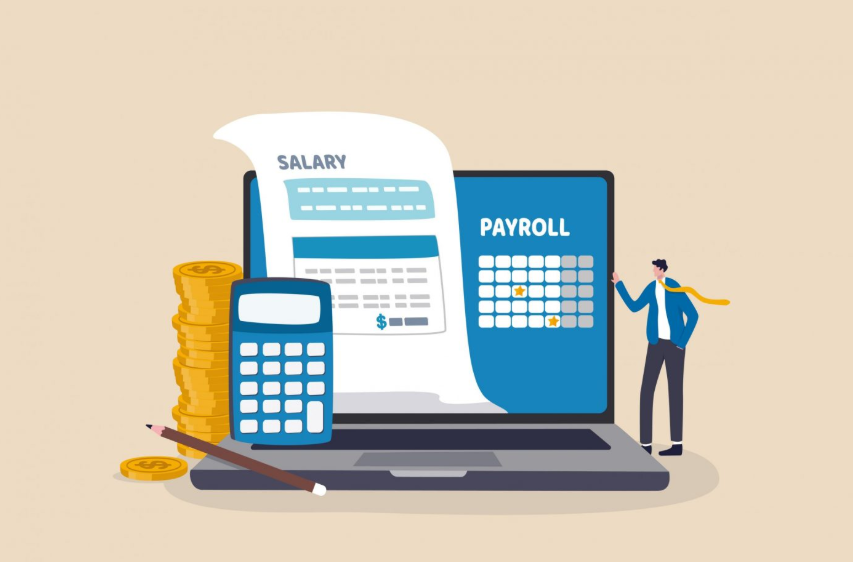
Payroll management is a critical task to small business owners that is associated with challenges of its own. It involves correct calculations and compliance with the constantly changing rules and keeping on the records correctly so that the workers could receive their salary in the right amount and time. Although these are mandatory, they are also challenging and time consuming, particularly to businesses lacking specific payroll personnel or experience.
Payroll outsourcing is a trend among businesses that are willing to reduce operations. It entails contracting the third-party provider to take care of the payroll related processes like payment of wages, deduction of tax and labor laws. To a number of people, this is a way of trimming down on the administration and concentrating on the actual business.
Complexity of payroll management at small businesses is one of the primary reasons why small businesses consider paying outsourcing. It may be tempting to remain in compliance with tax regulations, benefits to employees, payroll taxes, etc. and it is especially heavy when the rules and requirements differ across states and industries. Errors in such aspects are subject to punishment and stress that is not necessary.
In addition to compliance, payroll has to be detailed and frequent updates to software or systems may increase the total workload. In case the companies are already in charge of tight schedules, the time wasted in payroll might be used in other activities that are directly related to growth and profitability. Considering outsourcing, the business owners will be able to make a decision whether it might be an effective option that will facilitate their processes and make them more precise.
Advantages of Outsourcing Payroll
Payroll outsourcing assists a small business to apply the knowledge of the highly qualified and competent people who are also well informed with the tax, compliance requirements and best practice in the industry. The business owners can relax knowing that they will not get fined or punished due to an error that could happen because of the lack of specialized knowledge.
Moreover, the payroll providers consider the high level of technology to automate the process, which makes the payroll work more accurate and faster. This can save a lot of time than the manual data or the age-old systems which allows companies to keep up with payments and reporting needs.
The other benefit is the flexibility and scalability that outsourcing provides. As your company expands or your payroll demands become more complicated, a provider can modify its services to suit you so that you do not have to face the expense of system upgrades or the additional expense of an in-house team.
Outsourcing also helps ease the process of management regarding benefits, deductions and tax submissions. The providers are empowered to manage these tasks effectively, and they make sure that the regulations in the federal, state, and local levels are observed. This saves your administration team work load and the benefits and payment of employees are done appropriately.
Lastly, through outsourcing, you are able to redeploy the resources internally towards strategic objectives and business operations. Those employees who used to be occupied with payroll activities are able to spend their time on such areas of customer service, marketing or product development that are more directly linked to growth and profitability.

Disadvantages of Outsourcing Payroll
A disadvantage of outsourcing payroll is that it will be dependent on an external company or make it slow at responding to or communicating. In the case your business needs to be updated or last-minute modifications, a third-party provider might not quicken up your frustrations or delays.
The other factor to consider is cost. Outsourcing may be cheap to most businesses, but in most cases, the service providers are fee charged. These costs may be cumulative in regard to the complexity of your payroll and the degree of service that you need particularly when dealing with businesses that have limited budgets.
The other disadvantage is that the performance of the provider will have to be closely monitored. Even the errors committed by the provider, like the mistakes in the calculations or the disorganization of the tax filing can influence your business. Although outsourcing lessens the daily participation in the operation of payroll, you are still held really accountable in compliance and accuracy.
There is also a threat of communication problem when dealing with an external provider especially when they are not well informed about your industry or business requirement. Disagreement or disconnect in service provision may lead to inefficiencies or service failures to derail your operations.
Lastly, handing a third-party with payroll responsibilities would result in reliance on their systems and technology. With technical issues or inaccessibility of the provider, your business may come to a stop, and that could impact the satisfaction and trust of the employees.
Factors to Consider Before Outsourcing
Reflect on the details of the business before deciding whether to outsource payroll or not, how it would work with the services that a provider would offer it. Begin by assessing the level of time and resources used in the management of payroll in the company. Outsourcing would help in alleviating these bottlenecks in case these activities are taking unnecessary time or causing a bottleneck in the activities.
Review the technical skills needed in order to process your payroll successfully. Companies that are working in a field where the rules or demand by the states are complicated might not comfortably keep up with the rules or requirements unless one has the technical expertise. A veteran provider would have an opportunity to fill in this gap and minimize the chances of expensive mistakes.
Analyze what you are already using to payroll. Obsolete or paper-based systems may enhance chances of errors and inefficiencies. Payroll provider with the advanced systems can provide automation and simplified reporting, which enhances the accuracy and decreases the number of hands.
Data security is another important factor. Employee information is sensitive data that needs very strong security measures and outsourcing comes in with an outsider in the picture. Study the way potential providers handle data protection and make sure that they follow high-security standards to reduce a threat of security breaches.
Consider the suitability of services provided by the provider in terms of your future objectives. As an illustration, in case you are expecting to grow your business, think of whether the provider has the capacity to expand their provisions to cope with your increasing demands. It is necessary to be flexible to have a long-term partnership which can facilitate your changing needs.
Finally, think over the extent of control that you are prepared to surrender. Outsourcing will decrease the direct participation in the management of payrolls; however, you will be required to monitor the performance of the provider to guarantee the accuracy and conformity. Effective communication and expectations will play a central role when it comes to having a very good working relationship with your chosen provider.

How to Choose the Right Payroll Provider
Selecting a payroll provider means that you consider factors, which are relevant to your business. Begin with providers who have experience in business with businesses of your size and of your industry. It is to make them know the nature of the challenges that you encounter and be able to provide specific solutions to them.
Overview the scope of services provided, including benefits processing, tax filing, tax direct deposit and compliance. In case your business requires more services, such as HR services or sophisticated reporting systems, make sure that the provider is able to support these needs.
Technology is also a major component in payroll management and thus evaluate the software or systems the provider is working with. Search such features as automation, real time access to data and employee self-service portals. These tools have the potential to eliminate misuse.
Another important element in the process of provider choice is security. Payroll deals with sensitive employee-related information and thus the provider should be able to offer good measures of data protection. Inquire on their encryption strategies, access controls and adherence with security regulations.
Customer service is also very crucial. Take into account the availability and responsiveness of a provider to raise issues or to solve them. Customers Customer service is the most reliable means of ensuring smooth operations.
The other business that has dealt with the provider can also be a source of feedback to get. Their reputation, reliability and performance may be obtainable in the form of reviews, testimonials or references.
Lastly, settle pricing models in advance to save unpleasant surprises. Inquire on charges on particular services, scalability and whether there are extra costs when updating the system or supporting. The general knowledge about the price will help you to choose a provider according to your budget and the services you need.
Conclusion: Is Payroll Outsourcing Right for Your Business?
In making the decision of whether or not to outsource payroll, you must have a clear understanding of how your business needs and priorities. It can be of great help to small companies with the decreased administrative work, specialization of skills, and the access to advanced tools and technologies without necessarily investing into a system that can be often expensive. These benefits have the ability to release precious time and resources and you can concentrate on aspects of growth and innovation.
Nonetheless, there are some challenges associated with outsourcing. It involves the readiness to delegate essential processes to a third-party provider and this may bring in the issues of communication, control, and data protection. It is necessary to strike these risks with the possibility of higher efficiency and compliance.
In making this decision, one should consider the amount of time that your team is spending on doing payroll internally and how it is affecting your other business areas. Moreover, your payroll demands may be complicated (the nature of different tax regulations, employee benefits, and operating in multiple states) and can determine the suitability of outsourcing. Scalability of outsourcing solutions should also be considered by businesses that expect to grow or experience change in the number of employees.

Finally, identifying an effective provider with established track record in your business field and who is capable of meeting your specific requirement will be important in defining the success of outsourcing. Everyone can minimize the negative aspects and maximize the benefits by putting expectations into clear definitions and keeping a check on their performance.
Payroll outsourcing is not a universal set of solutions, but in most cases with small business, it is a possibility to simplify the procedures and minimize stress. You should spare the time and review your existing systems, estimate the likely payoff, and research providers that can help you achieve your objectives. This cautious attitude would enable you to make a wise decision to aid in your success in the long term.
Should you outsource payroll? Let Sunrise Accountants handle it accurately and compliantly, get started today.