
Tax Preparation Checklist for Small Businesses in 2026


Understanding Tax Obligations
Being a small business owner, you need to know the different types of tax that can be imposed on your business. These may comprise of income tax, self-employment tax, employment tax, and in certain instances excise tax. The various forms of taxes have different rules, rates and filing processes which are determined by factors like your business structure, location and industry.
Taxation requirements are also likely to vary at the federal, state, and local levels hence it is important to keep up with the regulations that directly affect your business. As an illustration, certain states may force companies to collect and pay sales tax whereas others may force them to pay industry taxes.
Small business owners must also usually make estimated payments of taxes throughout the year to evade underpayment penalties. They are usually made in quarterly payments and are computed regarding your estimate of income and tax liability in the year. In case of employees, you will also be required to withhold and pay employment taxes that pay the social security, Medicare and income tax withholding.
To accomplish these requirements, it is better to review the tax status of your business and make sure that you have an Employer Identification Number (EIN) when necessary. The clear vision of the way your business will be taxed will make you stay organized and meet the deadlines. A tax professional or accountant can also help you understand what kind of requirements your business has to comply with so that all the taxes will be submitted with proper accuracy and timely.

Organizing Financial Records
Arranging your financial records helps to save time because you have the information you need on hand to file taxes. Critical documentation may contain details of your income expenses, assets, and liabilities. Records on the income and expenses should be kept in an orderly manner to facilitate easier track of the transactions made like the receipts and invoices. Proper records not only make filing tax easier; they also assist in the verification of any claims or deductions that you are reporting.
Accounting software may prove useful in the way you can categorize and organize your money during the year. It enables you to trace the cash flow and nip any possible discrepancy at its early stage. The updating and reviewing of such records on a regular basis assist in keeping the records accurate and prevent cases of missed entries.
Besides computerizing organization, the paperwork must be locked up. Some of the most crucial documents such as contracts or loan agreements might have to be stored over a few years in case of audits or investigations in the future. The process of scanning paperwork and storing them on cloud-based systems may provide an added level of security as well as enhancing access.
It is also critical to have a system of personal and business finances. Opening bank accounts and credit cards on behalf of your business will help in lowering confusion and the reconciliation process is going to be much easier. It also makes sure that your records are clear-cut of what you do in business and not that of personal transactions.
Maximizing Deductions
A good strategy to reduce the taxes that your small business pays is keeping track of the deductible expenses. The cost of rent, office supplies, advertising and professional services are usually deductible, provided they are ordinary as well as necessary in carrying out your business. Meals and travel expenses incurred in incurring a business activity are also qualified, but these usually require particular documentation.
A system to record expenses incurred should be maintained in order to capture all the eligible deductions. You can use accounting tools to classify the expenses correctly and keep the receipts or invoices of every transaction. Having a home-based business, you can deduct part of your rent or mortgage, utility and internet bills as a home office deduction as long as the place is used solely in business.
Equally, the costs of vehicles as far as it has been used to conduct any business can in many cases be deducted and you can either deduct it by using your actual expenses or with the help of the standard mileage rate.
Remember that not all deductions are not limited or specific. An example is when you buy a big equipment or machinery, you can either deduct some of the amount thereof under Section 179 or deductions over a period of years. Other benefits offered to employees like health insurance premiums can also be deductible and this might offset your total tax bill and even take care of your workforce.
Sorting all that you spend during the year and putting them into categories will give you a better understanding of what expenses are deductible when you start filing a tax. A professional would assist you in establishing whether you have any other deductions regarding your industry or business setup.

Understanding Tax Credits
Tax credits are a direct deduction of the tax that your business is supposed to pay and therefore should be used as a fundamental component of your tax plan. There are multiple categories of credits that can be offered to small businesses in 2026 based on their activities and spending. As an illustration, some incentives may be offered to businesses that invest in research and development or introduce energy-efficient activities. Also, providing employee benefits like health covers or retirement benefits would allow one to claim some credits.
You need to become acquainted with the requirements and documentation of each credit, which are necessary. Certain credits can demand a detailed documentation of costs or evidence that some requirements have been satisfied, like the employment of workers belonging to specific groups or just functioning in specific geographic regions. Also make sure that all supporting paperwork is in easy reach to support any claim whenever filing any tax.
Some tax credits are also refundable, i.e. you may also receive a refund even when your tax due amounts will go in the negative. This may be particularly beneficial to the small businesses that are trying to opt to increase their cash flow. Some credits can be limited or phased out on the basis of income, or other factors, so it is important to know the particulars of any credit your business is claiming.
To be sure you are maximizing your credits, every couple of years, check the change of tax law that may affect eligibility or requirements. Engaging an advisor in taxes can further offer you more information on the credits that will be relevant to your business operations and give you the ability to maximize on the savings and adhere to the standards of compliance.
Preparing for Tax Filing
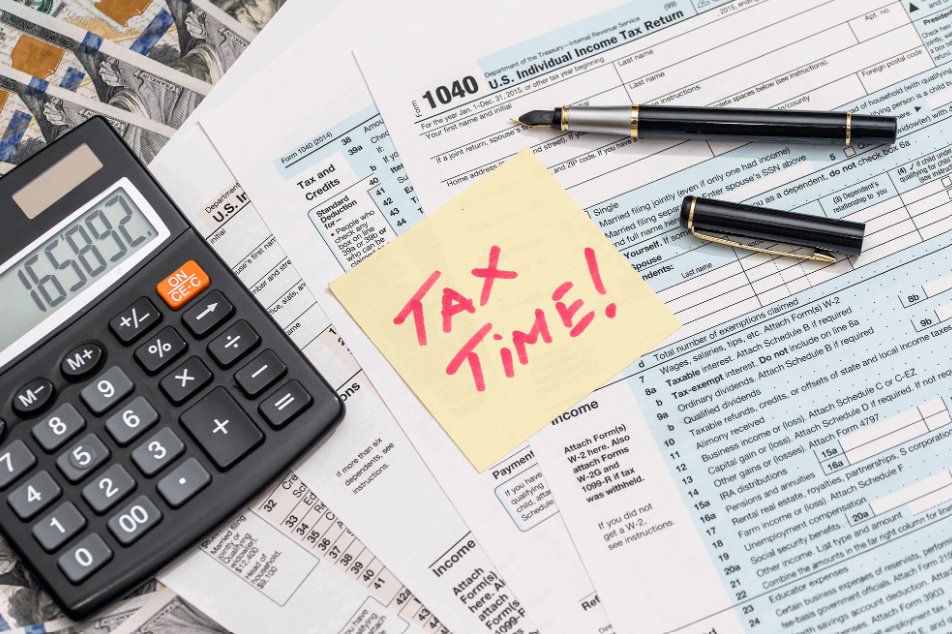
Tax filing involves accurate filing which mandates you to thoroughly review your financial data and record your business activities. Begin with the collection of all the tax forms, including tax filings 1099s, W-2s, and other forms that involve income or expense that your business has processed over the year.
Make sure that all supporting documents such as receipts, invoices and bank statements are well organized in order to match figures reported. Any inaccurate information or information not documented may delay or result in an audit and, therefore, ensure that all information matches with what you have documented.
In case of businesses that have employees, ensure that the employment taxes have been duly calculated and reported. This involves the confirmation of the amounts withheld in respect to Social Security, Medicare and federal income taxes and any state or local taxes. In case you have paid estimated taxes throughout the year, make sure that they are properly charged against the amount due at the end of the year.
Get acquainted with the deadlines of filing taxes in your type of business. Because of the type of business structure, e.g. a sole proprietorship, partnership, corporation, etc, deadlines can differ. Penalties may be imposed in case of late filing; thus, it is better to be ahead of these dates. Consider the filing requirements unique to where you are located to consider the state or local tax requirements that may also be in addition to federal requirements.
When your business is claiming any deductions or credits, you should ensure that you have the necessary paperwork in the readiness to prove the claims. Certain deductions or credits might need more forms or more records such as depreciation of assets schedules or documentation on eligibility of tax credits. A lack of, or missing, paperwork may lead to rejected claims.
Regardless of whether you do it yourself in tax software or hire someone to do it, being better prepared with documented records and an idea of what you are obligated to do can make it a lot more effective.
Utilizing Tax Software
The process of managing and filing taxes may become much easier when you select the tax software which helps to organize your information effectively and automatizing the calculations. There are numerous software programs that are tailored to meet the needs of small businesses, such as incurred expenses, connectivity to accounting applications, and automated help in filling in tax returns. There are also platforms with live assistance of tax professionals that may be especially helpful when your business has a complicated filing.
The next step in choosing alternatives is to find a software that matches the requirements of your business. As an example, when running a business that has multiple sources of income or needs advanced reporting, seek platforms that have customizable options and are capable of advanced reporting. Also, decide, will the software be compatible with your current software: payroll software, bookkeeping softwares, etc. to minimize manual input of data and to guarantee accuracy.
Tax software usually has an option that assists you in pointing out the available deductions and credits so that you can maximize on the savings and at the same time be in compliance with the tax rules. Other platforms also provide audit protection options or audit review tools to scrutinize your filings on possible errors before you submit which can be a source of relief in the filing process.
Remember that most providers provide free trial or demo, which can help you to test various systems to make a decision. Use these opportunities and know how user-friendly and functional the software is so that it satisfies your expectations. With the right choice of tax software you save time, cut down on mistakes and enhance the efficiency with which you prepare your taxes.
Get your tax preparation checklist for small businesses and file with confidence. Partner with Sunrise Accountants today.